Lucky Dog’s heartworm treatment research study, One Year Later
March 19th marks the first anniversary of Lucky Dog’s large-scale research study, conducted in partnership with the University of Florida Shelter Medicine Program, the Toronto Humane Society, and PetSmart Charities. This study has the potential to transform how animal shelters across the United States treat heartworm-infected dogs, and represents the research team’s commitment to advancing access to veterinary care and improving health outcomes for heartworm-infected dogs with mild to moderate heartworm disease.
The research study compares the safety and efficacy of two melarsomine-based heartworm treatments with supportive medications within a condensed timeline. While the so-called “2 shot” and “three shot” protocols are well known in the veterinary world, this study differs from previous studies in that it includes the impact of supportive medications that weaken adult worms, prevent reinfection, and reduce inflammation. This distinction could significantly affect treatment efficacy, allowing heartworm-infected dogs to spend less time in shelters.
As of March 1st, 2025, study enrollment is almost complete, with 143 dogs (87% of our goal enrollment) already receiving lifesaving treatment at Lucky Dog Animal Rescue on the South Carolina campus. The study follows each dog for 6-9 months after the final melarsomine injection to determine if and when the dog tests negative after treatment.
The current American Heartworm Society heartworm disease treatment recommendations require professional monitoring through a series of three injections, at least three months of rigid cage restriction, and limited on-leash walking to decrease the chance of complications. This prolonged in-shelter heartworm treatment protocol is simply impossible to do in many shelters where space and staffing are in short supply.
The study hypothesized similar efficacy to the current recommendations using a series of two injections, one month of kennel run restriction, and scheduled exercise periods. The two-injection series will make treatment more manageable and accessible.
“This is a dream study. With the help of the incredible team at Lucky Dog and the generous support of PetSmart Charities, we are rigorously testing this hypothesis in a large population of dogs. We are optimistic that this study will majorly impact heartworm treatment in shelters and beyond.” said Dr. Linda Jacobson, the Toronto Humane Society Director of Science and Advancement and the study’s Principal Investigator.
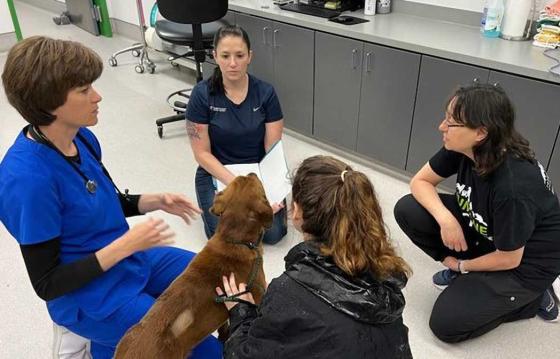
After heartworm treatment, dogs are adoptable and are retested for heartworms 6 to 9 months later at partner sites in the DC/VA area. Initial findings are encouraging, as 48 of 49 dogs tested were negative at 6 months, with only one dog requiring testing at 9 months. This study would not be possible without the adopter's commitment to obtaining test results post-treatment. Their commitment helps their dog and all dogs have a brighter future.
“This study could change how we think about the outcome of heartworm-positive dogs. A positive test result would no longer lead to a poor outcome. The results could likely mean treatment is an option for the majority of dogs both in and out of the shelter.” said Dr. Adrienne Van Vlake, the Lead Shelter Veterinarian of Lucky Dog Animal Rescue.
It is difficult to predict the long-term impact of any research study. We are confident that this study will contribute to advancing veterinary care access and improving health outcomes for heartworm-infected dogs worldwide!
Bios
The research team includes faculty from the University of Florida Shelter Medicine program, Dr. Julie Levy and Dr. Jessie Dyer, the Toronto Humane Society Director of Science and Advancement, Dr. Linda Jacobson, First Coast No More Homeless Pets Director of Professional Development, Dr. Brian DiGangi, and members of Lucky Dog Animal Rescue, Dr. Adrienne Van Vlake, the Lead Shelter Veterinarian, and Mirah Horowitz, CEO.
The day-to-day management is made possible by the Lucky Dog Animal Rescue- South Carolina campus staff, Stephanie Moore, Shelter Director, Maggie Tomlinson, Surgery Technician, Leslie Dixon, Clinic Manager, Daisy Montrose, Veterinary Medical Technician, Madeline Cullipher, Veterinary Medical Technician, and Ralston Henry, Animal Care Technician.
This study was made possible by generous funding from PetSmart Charities!
We want to express our heartfelt gratitude to our partner sites in the DC/VA area for their invaluable support in offering follow-up heartworm testing for the study. Your dedication and commitment truly make a difference, and we deeply appreciate your partnership.
- Humane Rescue Alliance
- Last Chance Animal Rescue
- Loudoun County Animal Services
- Montgomery County Animal Services & Adoption Center
- National Humane Education Society
- Wolf Trap Animal Rescue
Check out the University of Florida's page on Increasing Access to Heartworm Treatment for Dogs in Shelters!
Meet the “Lucky Dogs” of the Heartworm Treatment Study!
Did you know cats and other mammals can become infected by heartworms?
Thank you to all our wonderful volunteers for your fantastic support with data entry! Your help really makes a difference, and we appreciate you!
Joey Friedman, Khriscelle Nanola, Mallory Fiorillo & Hannah Garcia