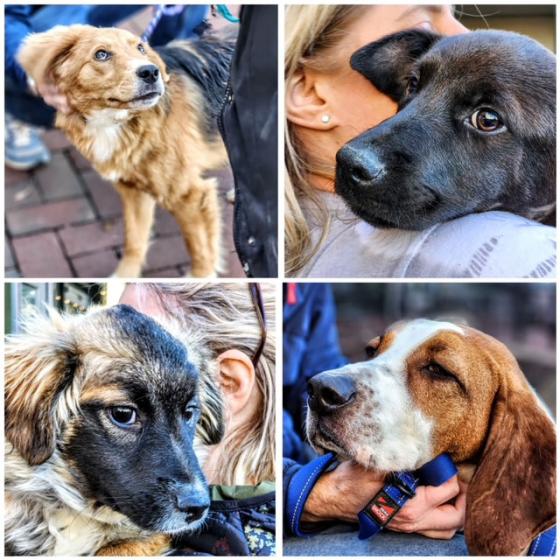
Transport, The Secret Sauce to Lucky Dog’s Lifesaving
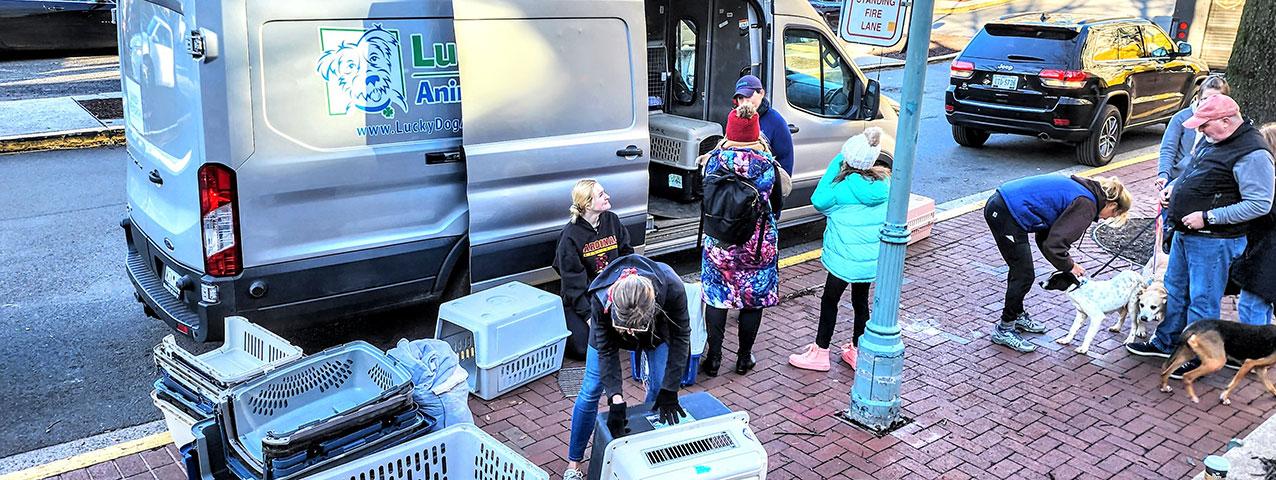
At Lucky Dog Animal Rescue, our commitment to saving lives knows no bounds, literally. Since our founding in 2009, transport has been the primary way we connect adoptable pets from under-resourced shelters with loving homes in the DC metro area and beyond. Mirah Horowitz, Lucky Dog’s founder and CEO, aptly states: “Transport is all about relationships. It’s about the relationships you have with the source shelter, the people helping with transport, and within your own organization. These relationships save lives.”
Bridging the Gap
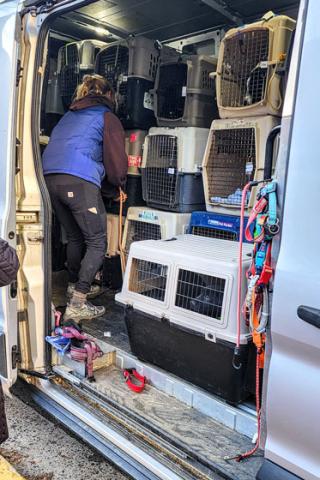
Transport programs, like those championed by Lucky Dog, play a pivotal role in bridging the gap between shelters overwhelmed by at-risk animals and regions with eager adopters. Lucky Dog facilitates the movement of 2,800–3,000 animals annually. These pets travel from overcrowded shelters in areas like North and South Carolina, western Virginia, Florida, Texas, and beyond to foster homes or adoptive families, primarily in the DC metro area.
Horowitz emphasizes that starting small is key. “The most important step is to find one or two partners you trust,” she says. For Lucky Dog, the foundation of its transport success was built through partnerships with shelters in Florence County, South Carolina. This small effort grew into a powerful lifeline for thousands of animals by working collaboratively to address vetting and logistics issues.
Overcoming Challenges
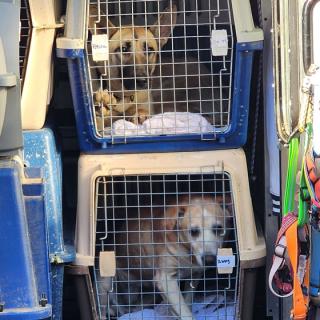
Transport isn’t without its hurdles. Regulations vary by state, requiring shelters to carefully manage medical records, vaccinations, and health certificates. Lucky Dog mitigates these complexities by fostering strong partnerships and providing clear expectations and protocols for sending shelters, which ensure seamless communication and adherence to compliance standards.
However, one of the biggest challenges lies in the sheer scale of the need for successful transport programs. Since the pandemic and the normalization of buying puppies or dogs from breeders, animal shelters have struggled with increased lengths of stay for pets, causing bottlenecks that limit the ability to save more lives. “Even if five animals move out of a shelter, it’s still five lives saved,” says Horowitz. “You don’t have to plan a transport for fifty animals to be successful.”
Creative Solutions
To tackle resource limitations, Lucky Dog adopts innovative approaches. For instance, they ask source shelters to provide videos, photos, and behavior notes to help market animals to potential fosters and adopters. Lucky Dog also offers an “off transport” adoption program, incentivizing adopters to provide a forever home for a Lucky Dog or Cat directly off the transport van. This effort creates space for three animals: the one entering the now-empty shelter kennel, the one going into the foster home no longer needed by the adopted pet, and the adopted pet itself. Lucky Dog also works hard to share adoption updates with the source shelters, making sure that they see their hard work paying off.
A Team Effort
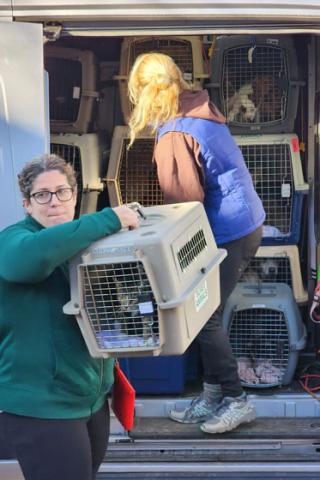
Transport at Lucky Dog involves more than just moving animals. It’s about fostering a sense of community. From volunteer drivers and foster families to donors and adopters, every person involved plays a part in the success of each journey. “We never send a transport van back empty,” Horowitz shares. Lucky Dog ensures that vans returning to source shelters are filled with donations like food and supplies, offering tangible support to shelters doing the hard work on the ground.
Building Hope
For shelters inundated with animals, transport offers hope. Karen Walsh of the ASPCA describes the emotional impact: “When the truck pulls up, and the animals leave, it’s a moment of relief and hope. It shows that someone sees their struggle and is there to help.”
Join the Mission
Lucky Dog Animal Rescue invites everyone to join this life-saving mission. Whether fostering, adopting, volunteering, or donating, every contribution makes a difference. For shelters looking to start or expand transport programs, Horowitz offers this advice: “Start with one small step. Build a partnership, solve problems together, and grow from there.” Together, we can create a world where every animal finds the loving home they deserve.